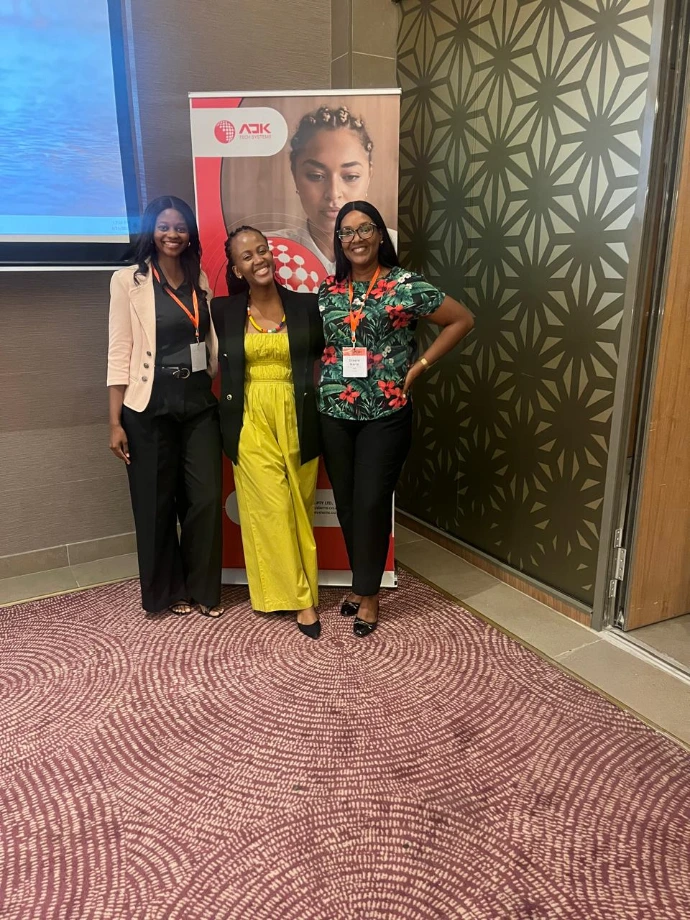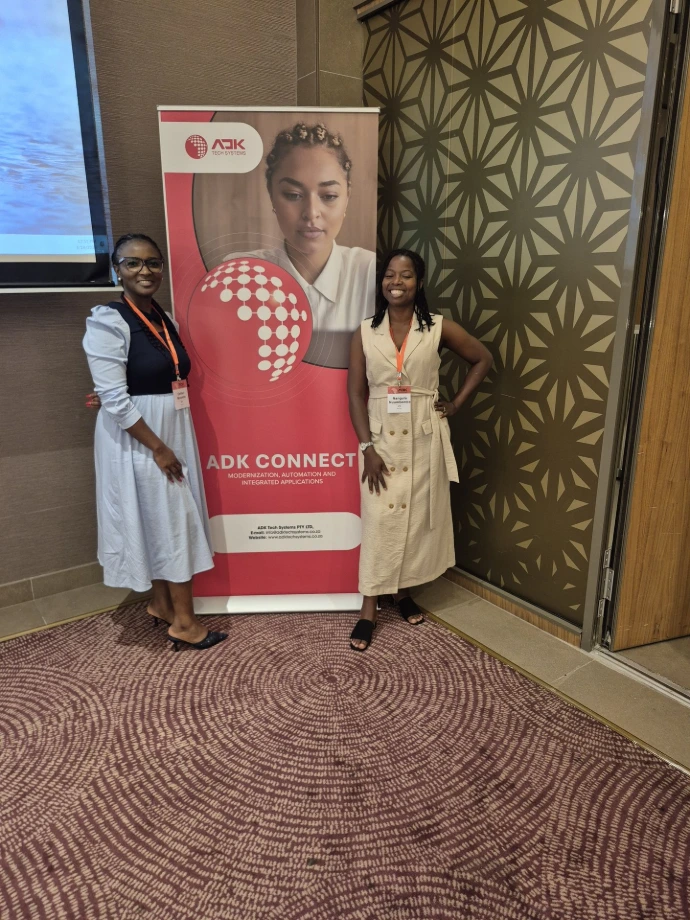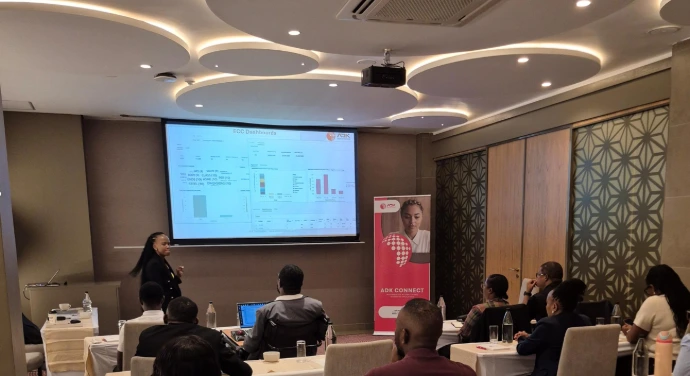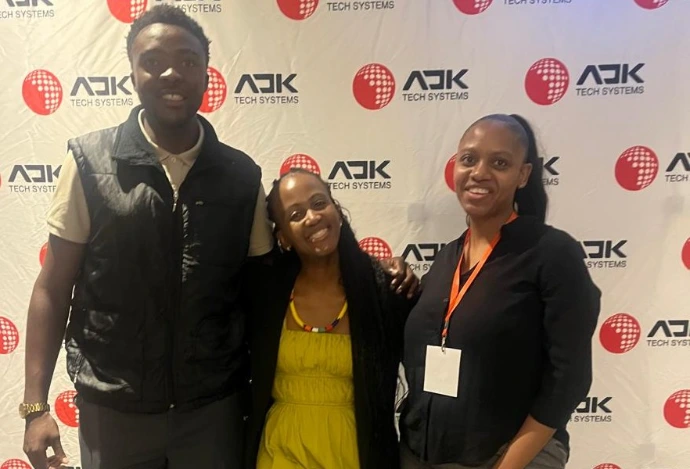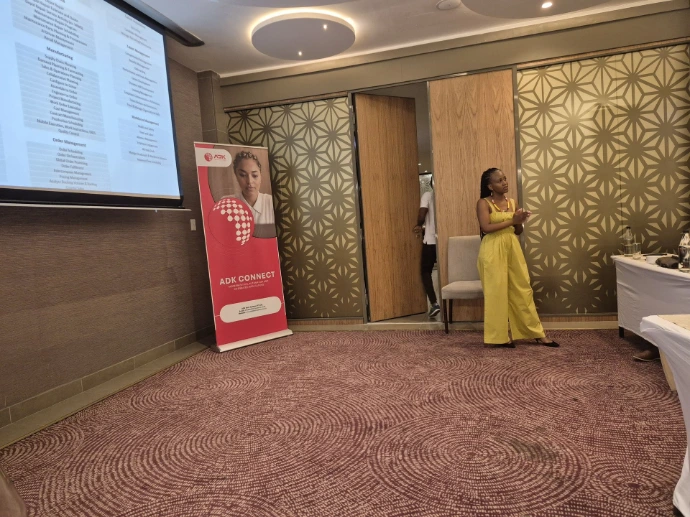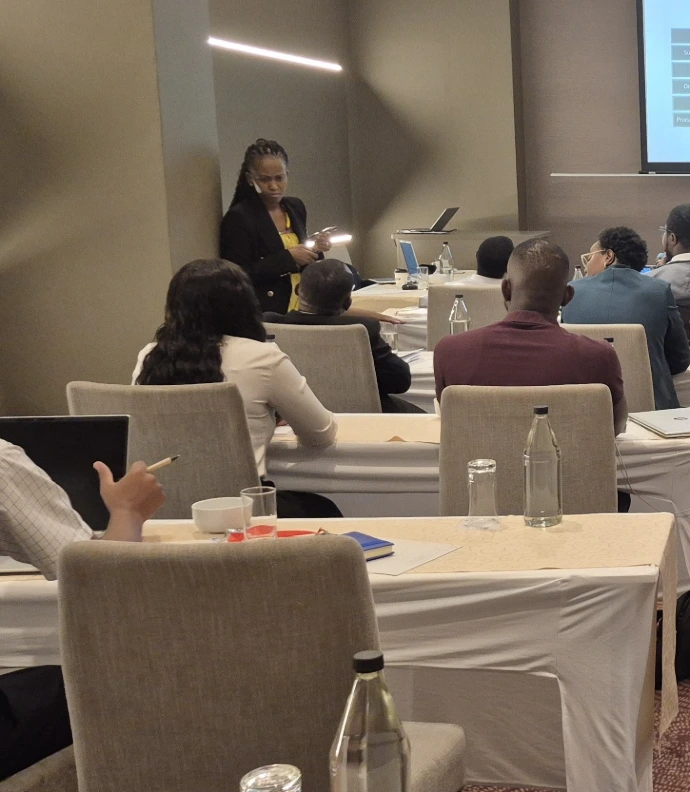
This March, ADK hosted the inaugural ADK Connect in Namibia, bringing together a focused group of local decision‑makers — from organisations already working with Oracle EBS and Oracle Fusion to those beginning to explore ERP as a way to modernise systems, improve visibility, and digitally enable their operations.
As an Oracle partner, ADK created a space for practical, open conversations that moved beyond sales discussions to share local realities, common challenges, and insights into how ERP, specifically eProcurement can support meaningful transformation within the Namibian business environment.
What made the event especially valuable was hearing the different perspectives in the room. Those already on Oracle shared practical insights into how they’re using ERP to streamline processes and gain better visibility, while others asked thoughtful questions as they evaluated what the right solution could look like for their organisations. These open discussions led to some great exchanges and real-world conversations.
Events like this reinforce why we value face-to-face engagement. Listening to challenges, ideas, and experiences helps us better understand where organisations are today and how we can support them on their modernisation journey.
During discussions at ADK Connect, a number of familiar eProcurement challenges surfaced — reflecting what many Namibian organisations are navigating today:
- Manual
and paper‑based processes
Many procurement teams still rely on spreadsheets, emails, and physical paperwork, which can slow down approvals, increase errors, and limit visibility across the procurement cycle. - Limited
spend visibility and control
Without integrated systems, organisations often struggle to gain a clear view of supplier spend, commitments, and budgets in real time, making effective cost management challenging. - Compliance
and governance pressures
Ensuring procurement processes align with internal policies and regulatory requirements remains a key concern, particularly where systems lack built‑in controls and audit trails. - Supplier
management complexity
Managing supplier data, contracts, onboarding, and performance can be time‑consuming when information is spread across multiple systems or handled manually. - Change
management and skills gaps
Moving to more digital procurement models requires not only the right technology, but also user adoption, training, and confidence — areas that often take time and focused effort.
Through open discussions and shared experiences, we explored how Oracle eProcurement can practically support more streamlined, transparent, and controlled procurement processes — helping teams move away from manual work and towards more consistent and auditable ways of operating.
We appreciated everyone who joined us and look forward to continuing these discussions as we build new relationships and partnerships.
If you’re exploring Oracle E‑Business Suite, Oracle Fusion Applications, eProcurement, or ERP solutions in Namibia, we’d welcome the opportunity to continue the conversation. Whether you’re considering your first ERP system or looking to enhance and optimise an existing Oracle environment, our team is ready to support you every step of the way.